
Suchite Home Improvement
WE SERVE ALL CONNECTICUT SHORELINE


Some of Our Recent Projects
 |  |  |
|---|---|---|
 |  |  |
Home Additions
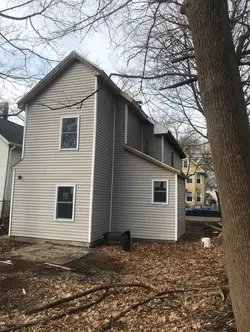
Expand Your Home, Elevate Your Lifestyle. Get that so needed extra room. Add more livable or ludic space, increased your home value, or add modern amenities to your unused home space. We are experts in turning your project into a solid reality with our skilled team of contractors working in conjunction to achieve your goal. Second-Story Additions, Kitchen Remodels, or Bathroom Expansions.

Trusted Builders
Attached to the main house or a detached unit, often includes a separate kitchen, bathroom, and living area to ensure privacy for both parties.

Gain Space
Gain space without the need of sacrificing front or backyard space. We work with you from initial design to completion. Start your project today!!
We Work with You the Whole Process
It all starts with planning.
Which includes setting a budget, understanding zoning laws, and hiring professionals to design the project. Once the design is finalized, you must secure the necessary building permits before demolition and construction can begin. The final steps involve the construction itself, which includes structural work, installing systems, finishing the interior, and completing a final inspection.

1. Planning and design
-
Define goals and budget: Determine your reasons for the addition, what you want in it, and how much you can afford. Secure financing if needed and establish a realistic budget, including a contingency fund for unexpected costs.
-
Check zoning and property lines: Contact your local zoning department to understand setbacks, building codes, and height restrictions. A professional survey can confirm your property lines.
-
Hire professionals: Engage an architect or designer to create detailed plans that meet your needs and local regulations.
-
Choose a contractor: Research and interview contractors, checking their experience, reviews, licensing, and insurance before hiring. Call Us Today!! 203-809-9472

2. Permits and pre-construction
-
Obtain permits: Submit the final drawings and other required documentation to your local building department to get the necessary permits.
-
Create a timeline: Develop a project timeline with your contractor, including the expected start and completion dates.
-
Prepare the site: Before construction starts, prepare the site and arrange for temporary disruptions, especially if you will still be living in the home.
3. Construction
-
Demolition and structural work: Begin with any necessary demolition, followed by the foundation and framing of the new structure.
-
Install systems: Integrate all the necessary utilities, including HVAC, electrical, and plumbing.
-
Finish the interior: Complete the addition by adding insulation, drywall, flooring, and finishing touches like painting and fixtures.
4. Finalization
-
Final inspection: Arrange for a final inspection from the local building department to ensure all work meets code.
-
Finalize and close out: Once inspections are passed, finalize any paperwork and formally close out the project with your contractor

Some Home Addition Styles

Mother-Daughter Additions
Attached to the main house or a detached unit, often includes a separate kitchen, bathroom, and living area to ensure privacy for both parties.

Room Additions
Large, traditional additions that can include new rooms like a family room, dining room, or even a full wing with multiple rooms.

Bump-out Additions
A smaller, less expensive option that expands a single room by pushing walls out to create more space, as for a home office or a larger kitchen.

Sunroom
Additions
These are glassed-in or screened-in rooms that bring in natural light and offer a semi-outdoor experience for relaxation or other uses.
Concrete Works Projects
 |  |  |  |
|---|
Home Additions FAQs
What are the steps for a home addition? To build a home addition, you must first plan and get permits, then hire a contractor to build the foundation, frame the structure, add sheathing and roofing, and finally complete the interior and exterior finishes. Key steps include securing funding, working with an architect or engineer, complying with local zoning and building codes, preparing the site, constructing the foundation and frame, and installing the roof. Inspections are required throughout the process, and final touches will complete the project
What is the most expensive part of an addition? Costs vary based on size, scope, materials, and labor. While the foundation and framing generally represent the most significant expenses, labor costs can also add up quickly. Understanding these factors helps you plan better and avoid unexpected financial surprises
How much should a 20x20 addition cost? A 20x20 room addition (400 sq ft) can cost anywhere from $50,000 to $150,000 or more, depending heavily on the intended use, finishes, and location. For a basic room like a bedroom, expect to pay closer to $50,000 to $75,000, while a kitchen or bathroom addition will likely be on the higher end of the range due to increased complexity and costs for plumbing and electrical work
What are the mistakes to avoid with an addition? - Setting an unrealistic budget. Ignoring permits and building codes. - Choosing the wrong contractor. - Poor foundation or structural planning. - Not matching the existing structure. - Overlooking scale and proportions. - Neglecting natural light and flow. - Forgetting plumbing, wiring, or HVAC needs.
What are the hidden costs of room additions? - Homeowner's insurance. Not only will your annual insurance premiums go up, but you'll want them to. - Property taxes. - Financing. - Furnishings and decor. - Landscaping. - Disposal of waste and cleanup. Plan your room addition with the help of a professional contractor
What is the 30% rule for renovations? The 30% Rule is a simple budgeting guideline that says you should never spend more than 30% of your home's value remodeling any single space. For example: If your home is worth $300,000, your maximum budget for a major kitchen remodel would be about $90,000
Can I write off home renovations on my taxes? Home renovations typically do not qualify for federal tax deductions, but certain improvements may qualify for deductions and credits can help reduce taxes. Financing home improvements through your mortgage may allow you to claim the interest as a mortgage interest deduction
What decreases property value the most? 1) Delayed or Neglected Maintenance. Putting off maintenance or neglecting to do it at all can lead to lower property values because they can lead to expensive repairs later. A small leak in the plumbing may not seem like a big deal at first, but over time it can cause structural damage, high water bills, or mold.
Get a Quote
This is a Paragraph. Click on "Edit Text" or double click on the text box to start editing the content.